

Best Waterproof Jackets for Hiking & Camping (2026)
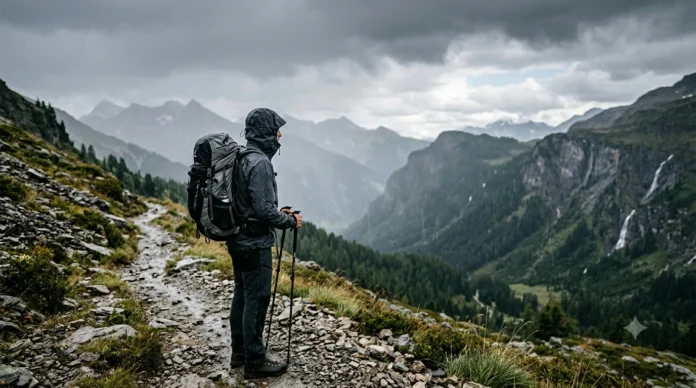
Rain can turn an enjoyable hike into a miserable experience if you’re wearing the wrong gear. A quality waterproof jacket doesn’t just keep you dry—it also protects you from wind, helps regulate body temperature, and allows you to stay comfortable during long days on the trail. Whether you’re planning a weekend camping trip, a mountain hike, or a multi-day backpacking adventure, choosing the right jacket can make a noticeable difference.
The challenge is that there are hundreds of waterproof jackets available today. Some are designed for lightweight summer hikes, while others are built to handle heavy rain, snow, and harsh alpine conditions. Features like waterproof membranes, breathability, weight, durability, and packability vary significantly between models, making it difficult to know which jacket is actually worth your money.
To help simplify your decision, we compared some of the most trusted waterproof jackets from leading outdoor brands. Instead of focusing only on premium options, this guide includes jackets across different price ranges and use cases, from budget-friendly rain shells to high-performance Gore-Tex hardshells.
Building a reliable outdoor kit involves more than choosing the right rain shell. Your backpack, footwear, and clothing layers all work together to keep you comfortable on the trail. If you’re still putting together your hiking gear, check out our guide to the best hiking backpacks under $100 before your next adventure.
In this guide, you’ll find:
- The best waterproof jackets for hiking and camping
- Top picks for different budgets and outdoor activities
- A side-by-side comparison of key features
- A complete buying guide explaining waterproof ratings, breathability, and jacket construction
- Tips for choosing the right jacket based on your hiking style
Whether you’re buying your first rain jacket or upgrading your current gear, this guide will help you find a waterproof jacket that delivers reliable protection without paying for features you don’t need.
Quick Picks
| Category | Recommended Jacket |
|---|---|
| Best Overall | Arc’teryx Beta Jacket |
| Best Value | Patagonia Torrentshell 3L |
| Best Budget | Columbia Watertight II |
| Best Lightweight | Outdoor Research Helium Rain Jacket |
| Best for Backpacking | Rab Kangri GTX |
| Best Premium | Arc’teryx Beta AR |
| Best for Heavy Rain | Patagonia Granite Crest |
| Best for Camping | Marmot Minimalist Jacket |
| Best for Women | Outdoor Research Aspire II |
| Best Sustainable | Patagonia Torrentshell 3L |
Waterproof Jacket Comparison Table
| Jacket | Waterproof Technology | Weight | Best For | Price Range |
|---|---|---|---|---|
| Arc’teryx Beta | GORE-TEX ePE | Lightweight | Overall Performance | $$$$ |
| Patagonia Torrentshell 3L | H2No® Performance Standard | Moderate | Value | $$$ |
| Columbia Watertight II | Omni-Tech | Moderate | Budget Buyers | $$ |
| Outdoor Research Helium | Pertex Shield Diamond Fuse | Ultra-Light | Fast Hiking | $$$ |
| Rab Kangri GTX | GORE-TEX 3-Layer | Heavy Duty | Backpacking | $$$$ |
| Arc’teryx Beta AR | GORE-TEX PRO | Premium | Alpine Use | $$$$$ |
| Patagonia Granite Crest | H2No® 3-Layer | Lightweight | Heavy Rain | $$$$ |
| Marmot Minimalist | GORE-TEX Paclite | Moderate | Camping | $$$ |
| Outdoor Research Aspire II | GORE-TEX Paclite | Moderate | Women | $$$ |
How We Evaluated These Waterproof Jackets
Every jacket featured in this guide was selected after comparing its technical specifications, waterproof technologies, construction quality, long-term durability, comfort, and overall value. We also considered extensive feedback from outdoor enthusiasts, experienced hikers, and trusted outdoor publications to better understand how each jacket performs in real-world conditions.
Our recommendations are based on the following factors:
- Waterproof Performance: The ability to keep rain and moisture out during prolonged exposure.
- Breathability: How effectively the fabric allows heat and sweat to escape during active use.
- Weight & Packability: Important for hikers and backpackers who want to minimize pack weight.
- Comfort & Fit: Freedom of movement, layering compatibility, hood design, and adjustability.
- Durability: Fabric quality, seam construction, and resistance to abrasion on demanding trails.
- Value for Money: Performance relative to price, ensuring recommendations for both budget-conscious buyers and those seeking premium gear.
Rather than recommending the most expensive jackets, our goal is to help you choose the option that best matches your hiking style, climate, and budget.
Arc’teryx Beta Jacket – Best Overall Waterproof Jacket
The Arc’teryx Beta Jacket is one of the most versatile waterproof shells available today. Built with the latest GORE-TEX ePE membrane, it delivers dependable waterproof protection while remaining lightweight and comfortable enough for year-round hiking, backpacking, and travel. Rather than focusing on one specific activity, the Beta is designed to perform well in almost any outdoor environment.
Its clean design hides several thoughtful features, including a helmet-compatible StormHood™, pit zips for ventilation, and articulated patterning that allows unrestricted movement on steep trails. The jacket also packs down easily, making it a practical companion for changing mountain weather.
Key Specifications
- Waterproof Technology: GORE-TEX ePE 3-Layer
- Weight: 10.6 oz (300 g)
- Shell Material: 40D Nylon
- Pit Zips: Yes
- Helmet-Compatible Hood: Yes
- Packable: Yes
Pros
- Outstanding waterproof protection
- Excellent breathability for active hiking
- Lightweight without sacrificing durability
- Comfortable fit with great freedom of movement
- Premium construction quality
Cons
- Expensive compared to many competitors
- Minimal pocket storage
Best For
Hikers, backpackers, mountaineers, and outdoor enthusiasts looking for one jacket that performs well in almost every season.
Why We Recommend It
If you want a single waterproof jacket that can handle everything from weekend hikes to multi-day backpacking trips, the Arc’teryx Beta is difficult to beat. Its combination of weather protection, comfort, and durability makes it one of the most dependable all-around rain shells on the market.
Bottom Line
The Arc’teryx Beta isn’t the cheapest option, but its long-term performance and versatility justify the investment for serious outdoor users.
Columbia Watertight II – Best Budget Waterproof Jacket
Not every outdoor adventure requires an expensive technical shell. The Columbia Watertight II proves that reliable rain protection doesn’t have to come with a premium price tag. Designed for casual hiking, travel, and everyday outdoor use, it offers dependable waterproof performance while remaining lightweight and easy to pack.
Columbia’s Omni-Tech™ waterproof technology helps keep rain out while allowing moisture to escape, making the jacket comfortable during light to moderate activity. Although it lacks the advanced ventilation and rugged construction found in high-end models, it delivers excellent value for occasional hikers and budget-conscious buyers.
Key Specifications
- Waterproof Technology: Omni-Tech™
- Weight: 13 oz (369 g)
- Shell Material: Nylon
- Pit Zips: No
- Adjustable Hood: Yes
- Packable: Yes
Pros
- Excellent value for the price
- Lightweight and easy to carry
- Comfortable for everyday wear
- Reliable protection during light to moderate rain
- Available in many colors and sizes
Cons
- Less breathable than premium jackets
- Not ideal for extended heavy rain
- No pit zips for additional ventilation
Best For
Beginner hikers, travelers, commuters, and anyone looking for an affordable waterproof jacket.
Why We Recommend It
The Columbia Watertight II covers the essentials without unnecessary extras. If you hike occasionally or need a dependable rain jacket for travel and everyday use, it’s one of the strongest budget-friendly choices available.
Bottom Line
For shoppers who want solid waterproof performance at an accessible price, the Columbia Watertight II offers outstanding value.
Arc’teryx Beta AR – Best Premium Waterproof Jacket
For hikers and climbers who regularly face harsh mountain weather, the Arc’teryx Beta AR stands out as one of the most capable waterproof jackets available. Built with GORE-TEX PRO, it’s designed for demanding conditions where durability and weather protection matter more than keeping weight to a minimum.
The jacket combines reinforced high-wear areas with a lighter construction where flexibility is more important, resulting in an excellent balance of toughness and mobility. Large pit zips improve airflow during strenuous climbs, while the helmet-compatible DropHood™ offers dependable coverage in heavy rain and snow.
Key Specifications
- Waterproof Technology: GORE-TEX PRO
- Weight: 16.2 oz (461 g)
- Shell Material: 40D & 80D Nylon
- Pit Zips: Yes
- Helmet-Compatible Hood: Yes
- Packable: Moderate
Pros
- Exceptional waterproof and windproof protection
- Extremely durable construction
- Excellent breathability for technical use
- Built for year-round mountain adventures
- Premium materials and craftsmanship
Cons
- Premium price
- Heavier than lightweight hiking shells
- More features than casual hikers may need
Best For
Experienced hikers, mountaineers, alpine climbers, and backpackers who frequently encounter severe weather.
Why We Recommend It
If your adventures regularly involve exposed ridgelines, high elevations, or unpredictable weather, the Beta AR provides the confidence that only a top-tier technical shell can offer. It’s built to withstand years of demanding use.
Bottom Line
The Arc’teryx Beta AR is a significant investment, but for serious outdoor enthusiasts who prioritize performance and durability, it’s one of the finest waterproof jackets available today.
Outdoor Research Helium Rain Jacket – Best Lightweight Waterproof Jacket
When every ounce matters, the Outdoor Research Helium Rain Jacket is one of the easiest recommendations to make. Designed for fast-moving hikers, trail runners, and minimalist backpackers, it provides reliable weather protection without adding unnecessary weight to your pack.
The latest version uses Pertex® Shield Diamond Fuse technology, which improves durability over previous Helium models while maintaining excellent packability. It compresses into a very small size, making it an ideal emergency shell to keep in your backpack when the forecast is uncertain.
Key Specifications
- Waterproof Technology: Pertex® Shield Diamond Fuse
- Weight: 7.3 oz (207 g)
- Shell Material: 30D Ripstop Nylon
- Pit Zips: No
- Adjustable Hood: Yes
- Packable: Excellent
Pros
- Extremely lightweight
- Packs into a very small size
- Comfortable for fast hiking and trail running
- Durable fabric for its weight
- Excellent emergency rain shell
Cons
- No pit zips
- Limited pocket storage
- Less suitable for prolonged heavy rain than 3-layer shells
Best For
Fast hikers, trail runners, ultralight backpackers, and travelers looking to save weight.
Why We Recommend It
If keeping your backpack as light as possible is a priority, few jackets match the Helium. It offers dependable protection without taking up valuable pack space, making it a great choice for fair-weather hikers who simply want reliable rain insurance.
Bottom Line
The Outdoor Research Helium is an excellent lightweight shell that balances portability, weather protection, and everyday practicality.
Rab Kangri GTX – Best Waterproof Jacket for Backpacking
Backpacking often means carrying a heavy pack through changing weather for several days, so your waterproof jacket needs to be comfortable, durable, and dependable. The Rab Kangri GTX is built specifically for these conditions.
Constructed with a 3-layer GORE-TEX membrane, it provides outstanding waterproof protection while standing up to abrasion from backpack shoulder straps and hip belts. The longer cut offers additional coverage, and large pit zips help regulate temperature during long climbs.
Unlike many lightweight rain jackets, the Kangri GTX is designed for extended use in demanding environments rather than occasional showers.
Key Specifications
- Waterproof Technology: GORE-TEX 3-Layer
- Weight: 18.9 oz (535 g)
- Shell Material: 70D Recycled Nylon
- Pit Zips: Yes
- Helmet-Compatible Hood: Yes
- Packable: Good
Pros
- Outstanding durability
- Excellent waterproof protection
- Comfortable under a loaded backpack
- Large pit zips improve ventilation
- Built for multi-day adventures
Cons
- Heavier than lightweight shells
- Premium price
- May feel excessive for casual hiking
Best For
Multi-day backpacking trips, mountain trekking, and long-distance hiking.
Why We Recommend It
The Rab Kangri GTX is built for hikers who spend extended periods outdoors in unpredictable weather. Its durable construction and dependable waterproof performance make it a reliable companion for serious backpacking adventures.
Bottom Line
If your trips involve carrying a backpack for hours or even days, the Kangri GTX offers the durability and comfort needed to handle demanding conditions.
Patagonia Granite Crest – Best Waterproof Jacket for Heavy Rain
If you frequently hike in regions known for persistent rainfall, the Patagonia Granite Crest Jacket deserves serious consideration. Built with Patagonia’s 3-layer H2No® Performance Standard fabric, it combines dependable waterproof protection with good breathability and all-day comfort.
The jacket is made using recycled materials and is designed to balance environmental responsibility with trail-ready performance. Thoughtful details such as pit zips, an adjustable hood, and a soft interior make it comfortable to wear during long, wet days outdoors.
While lightweight enough for hiking, it also offers the durability needed for regular outdoor use.
Key Specifications
- Waterproof Technology: H2No® Performance Standard 3-Layer
- Weight: 14 oz (400 g)
- Shell Material: Recycled Nylon Ripstop
- Pit Zips: Yes
- Helmet-Compatible Hood: Yes
- Packable: Very Good
Pros
- Excellent protection in prolonged rain
- Comfortable and breathable
- Made with recycled materials
- Well-designed hood and ventilation
- Durable enough for frequent hiking
Cons
- Higher price than entry-level jackets
- Slightly heavier than ultralight shells
Best For
Hikers, campers, and backpackers who regularly encounter wet weather.
Why We Recommend It
The Granite Crest offers an impressive combination of weather protection, comfort, and sustainability. It performs confidently during heavy rain without feeling overly bulky, making it a practical choice for year-round outdoor adventures.
Bottom Line
For hikers who expect consistent rain on the trail, the Patagonia Granite Crest provides dependable waterproof performance and thoughtful features that justify its price.
Marmot Minimalist Jacket – Best Waterproof Jacket for Camping
Camping often involves unpredictable weather, cool evenings, and occasional downpours. The Marmot Minimalist Jacket is designed for exactly those situations. It combines dependable waterproof protection with a comfortable fit that works well around camp, on short hikes, or during weekend outdoor trips.
Built with GORE-TEX Paclite® technology, the jacket offers solid weather resistance while remaining lighter and more packable than many traditional hardshells. It’s easy to stuff into a backpack and comfortable enough to wear all day if the weather refuses to cooperate.
Key Specifications
- Waterproof Technology: GORE-TEX Paclite®
- Weight: 14.9 oz (422 g)
- Shell Material: Recycled Polyester
- Pit Zips: Yes
- Adjustable Hood: Yes
- Packable: Very Good
Pros
- Reliable GORE-TEX waterproof protection
- Comfortable for hiking and camping
- Packs down easily
- Pit zips improve airflow
- Durable construction for regular outdoor use
Cons
- Slightly heavier than ultralight rain shells
- Relaxed fit may not suit everyone
Best For
Campers, weekend hikers, travelers, and outdoor enthusiasts looking for a dependable all-around rain jacket.
Why We Recommend It
The Marmot Minimalist strikes an excellent balance between performance, comfort, and value. It performs well in wet conditions without adding unnecessary weight, making it a practical option for most outdoor adventures.
Bottom Line
If camping is your primary outdoor activity, the Marmot Minimalist offers the weather protection and durability needed for reliable performance throughout the season.
Outdoor Research Aspire II – Best Waterproof Jacket for Women
The Outdoor Research Aspire II has earned a strong reputation among female hikers thanks to its comfortable fit, reliable waterproofing, and thoughtful feature set. Whether you’re exploring local trails or heading into the mountains, it delivers dependable protection without feeling bulky.
Constructed with GORE-TEX Paclite®, the Aspire II is fully waterproof while remaining breathable enough for active hiking. One of its standout features is the TorsoFlo™ ventilation system, which allows the jacket to function almost like a poncho by opening the side zippers for increased airflow during warm or strenuous hikes.
Key Specifications
- Waterproof Technology: GORE-TEX Paclite®
- Weight: 11.8 oz (335 g)
- Shell Material: 50D Polyester
- Pit Zips: TorsoFlo™ Side Ventilation
- Adjustable Hood: Yes
- Packable: Excellent
Pros
- Specifically designed for women’s fit
- Excellent waterproof protection
- Outstanding ventilation system
- Lightweight and comfortable
- Easy to pack for travel
Cons
- Premium pricing
- Limited insulation (shell only)
Best For
Women who hike, backpack, travel, or camp in changing weather conditions.
Why We Recommend It
The Aspire II offers an impressive combination of comfort, weather protection, and ventilation. Its innovative side vents help regulate temperature better than many traditional rain jackets.
Bottom Line
For women seeking a high-quality waterproof hiking jacket, the Outdoor Research Aspire II remains one of the most well-rounded options available.
Patagonia Torrentshell 3L – Best Value Waterproof Jacket
Finding a jacket that delivers premium performance without a premium price isn’t always easy, but the Patagonia Torrentshell 3L comes remarkably close. It’s one of the best values in the waterproof jacket category, offering a durable 3-layer H2No® Performance Standard shell at a price that’s more accessible than many high-end competitors.
Unlike many entry-level jackets that use 2 or 2.5-layer construction, the Torrentshell’s 3-layer design provides better durability for regular hiking and backpacking. It also features pit zips, an adjustable hood, and a soft-lined collar for improved comfort during long days outdoors.
Key Specifications
- Waterproof Technology: H2No® Performance Standard 3-Layer
- Weight: 13.9 oz (394 g)
- Shell Material: 50D Recycled Nylon Ripstop
- Pit Zips: Yes
- Adjustable Hood: Yes
- Packable: Very Good
Pros
- Outstanding value for the price
- Durable 3-layer construction
- Excellent waterproof performance
- Comfortable for all-day wear
- Made with recycled materials
Cons
- Slightly less breathable than premium GORE-TEX jackets
- Athletic fit may feel snug with heavy insulation layers
Best For
Hikers, backpackers, campers, and outdoor enthusiasts looking for the best balance between performance and affordability.
Why We Recommend It
The Patagonia Torrentshell 3L offers many of the features found in far more expensive jackets while maintaining a reasonable price point. It’s a dependable choice for anyone who wants reliable waterproof protection without overspending.
Bottom Line
If value is your top priority, the Patagonia Torrentshell 3L is one of the smartest waterproof jacket purchases you can make. It delivers dependable performance, durable construction, and long-term reliability at an attractive price.
Patagonia Granite Crest – Best Sustainable Waterproof Jacket
Sustainability has become an important consideration for many outdoor enthusiasts, and the Patagonia Granite Crest Jacket proves that environmentally responsible gear doesn’t have to compromise on performance. Built using 100% recycled nylon ripstop and Patagonia’s 3-layer H2No® Performance Standard membrane, it offers dependable weather protection while reducing its environmental footprint.
The Granite Crest is lightweight enough for hiking yet durable enough for frequent outdoor use. Thoughtful features such as pit zips, an adjustable hood, and a pack-friendly design make it suitable for everything from day hikes to multi-day adventures.
Key Specifications
- Waterproof Technology: H2No® Performance Standard 3-Layer
- Weight: 14 oz (400 g)
- Shell Material: 100% Recycled Nylon Ripstop
- Pit Zips: Yes
- Helmet-Compatible Hood: Yes
- Packable: Very Good
Pros
- Made with recycled materials
- Reliable waterproof protection
- Comfortable during extended hikes
- Good balance of weight and durability
- Excellent ventilation
Cons
- More expensive than entry-level jackets
- Slightly heavier than ultralight shells
Best For
Environmentally conscious hikers, backpackers, and campers looking for a high-performance rain shell.
Why We Recommend It
The Granite Crest combines Patagonia’s commitment to sustainability with dependable trail performance. It’s an excellent choice for anyone who values durable outdoor gear made with lower-impact materials.
Bottom Line
If sustainability is high on your priority list, the Patagonia Granite Crest is one of the strongest waterproof jackets currently available.
Montbell Versalite – Best Ultralight Waterproof Jacket
For hikers focused on reducing every ounce of pack weight, the Montbell Versalite stands out as one of the lightest fully featured waterproof jackets available. Despite weighing well under most competitors, it still includes practical features such as pit zips, adjustable cuffs, and a hood.
The jacket uses GORE-TEX Infinium Windstopper fabric with a durable water-repellent finish, making it ideal for fast-paced hiking, thru-hiking, and minimalist backpacking where packability matters just as much as weather protection.
Key Specifications
- Waterproof Technology: GORE-TEX Infinium
- Weight: 6.4 oz (182 g)
- Shell Material: Ballistic Airlight Nylon
- Pit Zips: Yes
- Adjustable Hood: Yes
- Packable: Excellent
Pros
- Exceptionally lightweight
- Extremely compact
- Comfortable for long-distance hiking
- Includes pit zips despite low weight
- Easy to carry on every trip
Cons
- Less durable than heavier hardshell jackets
- Premium price for an ultralight shell
Best For
Ultralight backpackers, thru-hikers, and fast-moving outdoor enthusiasts.
Why We Recommend It
Few jackets combine such a low weight with practical features. If minimizing pack weight is your top priority, the Montbell Versalite deserves serious consideration.
Bottom Line
The Versalite is one of the best ultralight waterproof jackets for hikers who want dependable weather protection without adding unnecessary weight.
Helly Hansen Loke Jacket – Best Everyday Waterproof Jacket
Not everyone needs an expensive alpine shell. For everyday hiking, travel, commuting, and occasional camping, the Helly Hansen Loke Jacket provides dependable waterproof protection at a reasonable price.
Built with HELLY TECH® Performance technology, it offers solid protection from rain and wind while maintaining good breathability for moderate outdoor activities. Adjustable cuffs, underarm ventilation zippers, and a lightweight design make it comfortable enough for year-round use.
Key Specifications
- Waterproof Technology: HELLY TECH® Performance
- Weight: 13.4 oz (380 g)
- Shell Material: Polyamide
- Pit Zips: Yes
- Adjustable Hood: Yes
- Packable: Good
Pros
- Excellent everyday performance
- Comfortable fit
- Reliable waterproof protection
- Good ventilation
- Competitive price
Cons
- Less durable than premium mountain shells
- Not designed for extreme alpine conditions
Best For
Casual hikers, travelers, commuters, and weekend campers.
Why We Recommend It
The Loke Jacket delivers dependable performance without unnecessary technical features, making it a practical option for everyday outdoor use.
Bottom Line
For users who spend most of their time on local trails or weekend adventures, the Helly Hansen Loke offers excellent value and reliable weather protection.
Editor’s Choice
After comparing all of the jackets in this guide, the Arc’teryx Beta Jacket earns our Editor’s Choice award.
It delivers one of the best combinations of waterproof protection, breathability, durability, comfort, and versatility currently available. Rather than specializing in one specific activity, it performs exceptionally well across hiking, backpacking, camping, travel, and everyday outdoor use.
While its price is higher than many competitors, the overall performance and long-term durability make it a worthwhile investment for serious outdoor enthusiasts.
If your budget is more limited, the Patagonia Torrentshell 3L remains our favorite value pick thanks to its durable 3-layer construction and impressive all-around performance.
Which Waterproof Jacket Should You Choose?
| If You Want… | Our Recommendation |
|---|---|
| Best Overall | Arc’teryx Beta Jacket |
| Best Budget | Columbia Watertight II |
| Best Premium | Arc’teryx Beta AR |
| Best Lightweight | Outdoor Research Helium |
| Best for Backpacking | Rab Kangri GTX |
| Best for Heavy Rain | Patagonia Granite Crest |
| Best for Camping | Marmot Minimalist |
| Best for Women | Outdoor Research Aspire II |
| Best Value | Patagonia Torrentshell 3L |
| Best Sustainable | Patagonia Granite Crest |
| Best Ultralight | Montbell Versalite |
| Best Everyday | Helly Hansen Loke |
Before Buying Your Waterproof Jacket
Every waterproof jacket is designed with a different purpose in mind. A lightweight emergency shell is perfect for occasional showers, while a durable 3-layer hardshell is better suited to multi-day backpacking trips and mountain adventures.
Before making your decision, consider where you’ll hike most often, how much rain you’re likely to encounter, whether pack weight matters, and how important breathability is during strenuous activity.
In the next section, we’ll explain everything you need to know about waterproof ratings, jacket construction, waterproof fabrics, and the features that actually matter when choosing a hiking rain jacket.
Buying Guide: How to Choose the Best Waterproof Jacket
Buying a waterproof jacket isn’t as simple as picking the most expensive model or the one with the biggest brand name. The right jacket depends on where you hike, how often you expect rain, the weather conditions you’ll face, and the features you actually need.
This buying guide explains the key factors that matter, helping you make an informed decision before investing in your next rain shell.
Waterproof vs. Water-Resistant Jackets
One of the biggest mistakes shoppers make is assuming that waterproof and water-resistant mean the same thing. They don’t.
Waterproof Jackets
A waterproof jacket is designed to prevent water from penetrating the fabric, even during extended periods of heavy rain. These jackets feature waterproof membranes, fully taped seams, and water-resistant zippers that work together to keep moisture out.
They’re ideal for:
- Hiking
- Backpacking
- Camping
- Mountaineering
- Trekking
- Wet climates
Water-Resistant Jackets
Water-resistant jackets can repel light rain and drizzle, but they aren’t designed for prolonged exposure to wet conditions. During heavy rainfall, water will eventually soak through the fabric.
They’re best suited for:
- Everyday use
- Urban commuting
- Wind protection
- Light showers
Bottom Line
If you’re planning any serious outdoor adventure where rain is a possibility, choose a waterproof jacket instead of a water-resistant one.
Understanding Waterproof Ratings
Not all waterproof jackets provide the same level of protection. Manufacturers often measure waterproof performance using a hydrostatic head (HH) rating, expressed in millimeters (mm).
The higher the number, the greater the fabric’s resistance to water pressure.
| Waterproof Rating | Performance | Best For |
|---|---|---|
| 5,000 mm | Light Rain | Everyday use |
| 10,000 mm | Moderate Rain | Day hiking |
| 15,000 mm | Heavy Rain | Weekend hiking |
| 20,000 mm | Very Heavy Rain | Backpacking |
| 28,000 mm+ | Extreme Conditions | Mountaineering & Alpine Use |
5,000 mm
Suitable for occasional rain showers and casual outdoor activities.
10,000 mm
A good entry point for hikers who expect moderate rainfall.
15,000 mm
Offers dependable protection during long hikes in wet weather.
20,000 mm
Ideal for multi-day backpacking trips and frequent outdoor adventures.
28,000 mm and Above
Designed for severe weather, high-altitude environments, and professional outdoor use.
Tip: A higher waterproof rating doesn’t automatically make a jacket better. Breathability, comfort, and overall construction are just as important.
What Is Breathability?
Staying dry isn’t only about keeping rain out—it’s also about allowing sweat and body heat to escape.
A jacket with poor breathability can leave you feeling damp inside, even if no rain gets through the fabric.
High-quality waterproof jackets use breathable membranes that allow water vapor to escape while blocking liquid water from entering.
This balance keeps you more comfortable during long climbs and strenuous hikes.
MVTR (Moisture Vapor Transmission Rate)
MVTR measures how much moisture can pass through the fabric over a 24-hour period.
Higher numbers indicate better breathability.
| MVTR Rating | Breathability |
|---|---|
| Under 10,000 | Basic |
| 10,000–20,000 | Good |
| 20,000–30,000 | Excellent |
| 30,000+ | Exceptional |
For active hiking and backpacking, look for jackets with an MVTR of 20,000 or higher whenever possible.
RET (Resistance to Evaporative Heat Transfer)
Some manufacturers use RET instead of MVTR.
Unlike MVTR, lower RET values indicate better breathability.
| RET Value | Performance |
|---|---|
| Under 6 | Excellent |
| 6–13 | Very Good |
| 13–20 | Acceptable |
| Over 20 | Poor |
If you’re comparing jackets that use RET ratings, aim for the lowest value available.
Which Breathability Rating Matters Most?
For most hikers, the exact number is less important than the overall performance of the jacket.
A well-designed jacket with:
- Pit zips
- Adjustable ventilation
- Quality waterproof membrane
- Proper fit
can often feel more comfortable than one with a slightly higher laboratory breathability rating.
Real-world comfort depends on the complete design, not just a single specification.
DWR (Durable Water Repellent) Explained
Many people think the water beading on the outside of a jacket means it’s waterproof.
In reality, that’s the job of the Durable Water Repellent (DWR) coating.
The DWR finish causes water to bead up and roll off the outer fabric instead of soaking in.
Over time, this coating wears away due to:
- Dirt
- Sweat
- Backpack friction
- Repeated washing
Fortunately, it can usually be restored with a wash-in or spray-on treatment.
Why Jackets “Wet Out”
If your jacket’s outer fabric starts absorbing water, it doesn’t necessarily mean the waterproof membrane has failed.
This is known as wetting out.
When the face fabric becomes saturated:
- Breathability decreases.
- The jacket feels heavier.
- You may feel damp from trapped sweat.
- Comfort drops significantly.
Regular cleaning and reapplying a DWR treatment help restore the jacket’s performance.
Key Takeaway
When comparing waterproof jackets, don’t focus on a single specification. The best jacket is one that balances:
- Reliable waterproof protection
- Good breathability
- Comfortable fit
- Durable construction
- Appropriate weight for your activity
Understanding these fundamentals will make it much easier to choose a jacket that performs well on the trail rather than simply looking impressive on paper.
2-Layer vs. 2.5-Layer vs. 3-Layer Waterproof Jackets
One of the biggest differences between waterproof jackets is how they’re constructed. While all waterproof jackets are designed to keep rain out, the number of fabric layers affects durability, breathability, comfort, weight, and price.
Understanding these differences makes it much easier to choose the right jacket for your hiking style.
2-Layer Waterproof Jackets
A 2-layer jacket consists of:
- Outer face fabric
- Waterproof membrane
- Separate inner lining (usually mesh or fabric)
The waterproof membrane is bonded to the outer fabric, while the loose inner lining protects it from wear.
Advantages
- Comfortable for everyday use
- Usually more affordable
- Softer interior feel
- Good for casual outdoor activities
Disadvantages
- Bulkier than other constructions
- Less breathable
- Heavier
- Not ideal for serious backpacking
Best For
- Casual hikers
- Everyday wear
- Travel
- Urban use
2.5-Layer Waterproof Jackets
A 2.5-layer jacket eliminates the hanging liner found in 2-layer designs.
Instead, a thin protective coating or printed pattern is applied directly over the waterproof membrane.
This reduces weight while still protecting the membrane.
Advantages
- Lightweight
- Packs very small
- More breathable than many 2-layer jackets
- Excellent for emergency rain protection
Disadvantages
- Less durable than 3-layer jackets
- Interior can feel clammy against bare skin
- Not ideal for frequent heavy backpack use
Best For
- Day hiking
- Trail running
- Fastpacking
- Travel
- Ultralight backpacking
3-Layer Waterproof Jackets
A 3-layer jacket bonds together:
- Outer face fabric
- Waterproof membrane
- Protective inner fabric (backer)
All three layers function as one integrated fabric.
This is the strongest and most durable waterproof construction available.
Advantages
- Outstanding durability
- Excellent waterproof performance
- Better long-term comfort
- More resistant to abrasion
- Performs well under backpack straps
Disadvantages
- More expensive
- Slightly heavier than ultralight shells
- Often unnecessary for occasional hikers
Best For
- Backpacking
- Mountain hiking
- Alpine climbing
- Frequent outdoor use
- Harsh weather
Comparison Table
| Feature | 2-Layer | 2.5-Layer | 3-Layer |
|---|---|---|---|
| Weight | Heavy | Light | Moderate |
| Durability | Good | Fair | Excellent |
| Breathability | Good | Good | Excellent |
| Packability | Moderate | Excellent | Good |
| Comfort | Very Good | Good | Excellent |
| Price | $$ | $$$ | $$$$ |
| Best Use | Casual Hiking | Fast Hiking | Backpacking & Mountain Use |
Which Construction Should You Choose?
Choose a 2-Layer Jacket If:
- You mainly walk local trails.
- You need a jacket for travel or commuting.
- Budget is your biggest concern.
Choose a 2.5-Layer Jacket If:
- You want to reduce pack weight.
- You mainly hike in mild conditions.
- You only carry a rain jacket as a backup.
Choose a 3-Layer Jacket If:
- You hike regularly.
- You backpack in changing weather.
- You expect heavy rain.
- You want maximum durability.
For most serious hikers, a quality 3-layer waterproof jacket offers the best balance of protection and longevity.
Popular Waterproof Fabric Technologies
Not all waterproof jackets use the same membrane. Different brands develop their own waterproof technologies, each with its own strengths.
Here’s a closer look at the most common options.
GORE-TEX
GORE-TEX is one of the most recognized waterproof technologies in the outdoor industry. It has earned a strong reputation for delivering reliable waterproof protection while maintaining good breathability.
Modern GORE-TEX jackets are available in several versions, including GORE-TEX ePE, GORE-TEX Pro, and GORE-TEX Paclite, each designed for different types of outdoor activities.
Best For
- Hiking
- Backpacking
- Mountaineering
- All-weather use
Pros
- Excellent waterproof protection
- Highly breathable
- Extremely durable
- Trusted by leading outdoor brands
Cons
- Premium price
- Some models can feel slightly stiff when new
Patagonia H2No® Performance Standard
Patagonia developed H2No® as its in-house waterproof technology, focusing on dependable weather protection and long-term durability. Many H2No® jackets are also made with recycled materials, making them popular among environmentally conscious hikers.
Best For
- Hiking
- Backpacking
- Camping
Pros
- Reliable waterproof performance
- Comfortable for all-day wear
- Uses recycled materials in many models
- Good durability
Cons
- Breathability varies by model
Pertex® Shield
Pertex Shield is commonly found in lightweight hiking and trail running jackets. It prioritizes low weight and packability while still providing dependable protection against rain.
Best For
- Fast hiking
- Trail running
- Ultralight backpacking
Pros
- Lightweight
- Packs very small
- Comfortable during active movement
Cons
- Less durable than heavier 3-layer fabrics
eVent®
eVent membranes are designed to vent moisture quickly without sacrificing waterproof protection. They’re popular among hikers who generate a lot of body heat during long climbs.
Best For
- High-output hiking
- Backpacking
- Mountaineering
Pros
- Excellent breathability
- Reliable waterproofing
- Comfortable during strenuous activity
Cons
- Less common than GORE-TEX
- Premium pricing
The North Face DryVent™
DryVent is The North Face’s proprietary waterproof technology. It offers a good balance of weather protection, comfort, and affordability, making it a solid choice for general outdoor use.
Best For
- Hiking
- Travel
- Everyday outdoor activities
Pros
- Dependable waterproof performance
- Comfortable fit
- Good value
Cons
- Not as breathable as premium membranes
Columbia Omni-Tech™
Omni-Tech is Columbia’s waterproof membrane, designed for casual hiking and everyday outdoor adventures. It provides reliable rain protection at a more accessible price than many premium alternatives.
Best For
- Beginner hikers
- Camping
- Everyday use
Pros
- Affordable
- Lightweight
- Good everyday performance
Cons
- Less breathable than high-end fabrics
- Better suited to moderate conditions
Which Waterproof Fabric Is Best?
There isn’t a single “best” waterproof membrane for everyone. The right choice depends on how and where you hike.
| Activity | Recommended Fabric |
|---|---|
| Casual Hiking | Omni-Tech, DryVent |
| Day Hiking | H2No®, GORE-TEX ePE |
| Backpacking | GORE-TEX 3-Layer, eVent |
| Ultralight Hiking | Pertex Shield |
| Mountaineering | GORE-TEX Pro |
| Camping | H2No®, GORE-TEX Paclite |
Rather than focusing on the membrane name alone, consider the complete package—including jacket construction, ventilation features, fit, weight, and durability. A well-designed jacket with the right features for your adventures will usually outperform a more expensive option that’s built for a completely different purpose.
How to Choose the Right Waterproof Jacket
The best waterproof jacket isn’t necessarily the most expensive one—it’s the one that matches your outdoor activities, local weather, and budget. Before making a purchase, consider how often you’ll use the jacket, the conditions you’ll encounter, and the features that matter most for your adventures.
Here’s what to look for when comparing different waterproof jackets.
1. Consider Your Primary Activity
Different outdoor activities place different demands on a waterproof jacket.
Day Hiking
For day hikes, a lightweight jacket with good breathability is usually enough. You’ll want something easy to pack that provides reliable protection during unexpected rain.
Recommended Features
- Lightweight design
- Good breathability
- Adjustable hood
- Packable construction
Backpacking
Backpacking jackets should prioritize durability because they’ll often be worn with a loaded backpack for several hours.
Look for:
- 3-layer construction
- Reinforced fabric
- Pit zips
- Comfortable fit with backpack straps
Camping
Campers typically spend long periods outdoors but aren’t always moving constantly. Comfort becomes just as important as waterproof performance.
Choose a jacket with:
- Adjustable hood
- Comfortable collar
- Durable fabric
- Multiple pockets
Mountaineering
Mountain weather changes quickly, making maximum weather protection essential.
Look for:
- GORE-TEX Pro or similar membrane
- Helmet-compatible hood
- Durable face fabric
- Excellent ventilation
Travel
Travel jackets should be lightweight, compact, and versatile enough to handle changing weather without taking up much luggage space.
2. Check the Waterproof Construction
A waterproof membrane alone isn’t enough.
Look for jackets with:
- Fully taped seams
- Waterproof zippers or storm flaps
- Durable Water Repellent (DWR) finish
- Adjustable hood and cuffs
These features help prevent water from entering through common weak points.
3. Pay Attention to Breathability
A jacket that traps sweat can become uncomfortable even when it keeps rain out.
If you’re an active hiker, prioritize jackets with:
- Pit zips
- Breathable membrane
- Ventilation features
- Lightweight construction
Better airflow helps regulate body temperature during steep climbs.
4. Choose the Right Fit
A waterproof jacket should allow comfortable movement without feeling oversized.
When trying on a jacket, make sure you can:
- Raise your arms comfortably
- Bend and stretch freely
- Wear a fleece or insulated layer underneath
- Tighten the hood without blocking your vision
Avoid jackets that are too tight, as they can restrict movement and reduce layering options.
5. Hood Design Matters
The hood is one of the most important parts of any waterproof jacket.
Look for:
- Adjustable front and rear drawcords
- Structured brim
- Helmet compatibility (if needed)
- Wide field of vision
A poorly designed hood can allow rain to enter around your face during windy conditions.
6. Pit Zips Improve Comfort
Pit zips are ventilation openings located under the arms.
They allow excess body heat to escape without removing your jacket.
Pit zips are especially useful for:
- Steep climbs
- Backpacking
- Warm weather hiking
- High-output activities
If you hike regularly, they’re a feature worth paying for.
7. Weight and Packability
Most hikers carry their waterproof jacket even when rain isn’t expected.
A lighter jacket saves backpack space and reduces overall pack weight.
General guideline:
- Under 8 oz (225 g): Ultralight
- 8–13 oz (225–370 g): Lightweight
- 13–18 oz (370–510 g): Standard hiking shell
- 18 oz+ (510 g+): Heavy-duty alpine shell
Choose the lightest jacket that still meets your weather protection needs.
8. Pocket Layout
Pocket placement may seem like a small detail, but it affects convenience on the trail.
Good hiking jackets usually feature:
- Two hand pockets
- One chest pocket
- High pocket placement for backpack compatibility
- Water-resistant zippers
Avoid jackets with low pockets that become blocked by a backpack hip belt.
9. Adjustable Cuffs and Hem
Simple adjustment points help seal out rain and wind.
Look for:
- Hook-and-loop cuff closures
- Adjustable hem drawcord
- Elastic or adjustable hood
These features help improve comfort in changing weather conditions.
10. Durability
If you hike frequently or carry a heavy backpack, durability should be one of your top priorities.
Features that improve durability include:
- Ripstop nylon fabric
- Reinforced shoulders
- 3-layer construction
- High-quality waterproof membrane
While lightweight jackets are easier to carry, they generally won’t withstand abrasion as well as heavier shells.
Common Mistakes to Avoid
Many hikers buy the wrong waterproof jacket because they focus only on price or brand name.
Here are some common mistakes to avoid.
Buying the Cheapest Option
An inexpensive rain jacket may work for occasional use, but it might not provide enough durability or breathability for regular hiking.
Ignoring Breathability
A waterproof jacket that traps sweat can leave you feeling just as wet as the rain itself.
Always consider ventilation alongside waterproof performance.
Choosing the Wrong Size
Buying a jacket that’s too small limits layering options, while one that’s too large may feel bulky and uncomfortable.
Aim for a fit that allows a lightweight fleece underneath without restricting movement.
Paying for Features You’ll Never Use
Not every hiker needs a premium alpine shell.
If your adventures are mostly local trails and weekend walks, a lightweight hiking jacket may be a better investment than a technical mountaineering shell.
Forgetting About Weight
A heavy jacket might offer incredible protection, but carrying unnecessary weight all day can become tiring.
Balance durability with portability based on your hiking style.
Our Recommendations by Activity
| Activity | Recommended Jacket Type |
|---|---|
| Day Hiking | Lightweight Waterproof Shell |
| Weekend Camping | Midweight Waterproof Jacket |
| Backpacking | Durable 3-Layer Jacket |
| Trail Running | Ultralight Rain Jacket |
| Mountaineering | GORE-TEX Pro Hardshell |
| Travel | Lightweight Packable Jacket |
Key Takeaway
The ideal waterproof jacket depends on how you plan to use it. Casual hikers may prefer a lightweight, affordable shell, while backpackers and mountaineers should invest in a more durable 3-layer jacket with better weather protection and ventilation.
By focusing on fit, waterproof construction, breathability, durability, and the features that match your outdoor activities, you’ll be much more likely to choose a jacket that performs well for years rather than just looking good on paper.
How to Care for Your Waterproof Jacket
A high-quality waterproof jacket can last for many years if it’s cared for properly. Dirt, sweat, sunscreen, and body oils gradually reduce breathability and wear down the Durable Water Repellent (DWR) coating, making the jacket less effective in wet conditions.
Fortunately, routine cleaning and maintenance can restore much of its performance and extend its lifespan.
How Often Should You Wash a Waterproof Jacket?
Many hikers avoid washing their waterproof jackets because they worry about damaging the waterproof membrane. In reality, washing your jacket correctly helps maintain its performance.
As a general guideline:
| Usage | Recommended Washing Frequency |
|---|---|
| Occasional hiking | Every 8–12 wears |
| Regular hiking | Every 5–8 wears |
| Frequent backpacking | After long trips or whenever noticeably dirty |
If your jacket starts looking dirty, feels less breathable, or the outer fabric begins absorbing water instead of shedding it, it’s time for a wash.
Step 1: Read the Care Label
Before washing your jacket, always check the care instructions provided by the manufacturer.
Some waterproof fabrics have specific washing recommendations, particularly premium membranes such as GORE-TEX or proprietary fabrics like H2No® and DryVent™.
Following the manufacturer’s guidance helps protect the fabric and preserve its performance.
Step 2: Prepare the Jacket
Before placing the jacket in the washing machine:
- Empty all pockets.
- Close all zippers.
- Fasten Velcro® cuffs.
- Tighten drawcords.
- Loosen adjustable straps if applicable.
These simple steps help reduce wear during the wash cycle.
Step 3: Use the Right Detergent
Regular laundry detergents often leave behind residues that can reduce a waterproof jacket’s breathability and interfere with its DWR finish.
Instead, use a cleaner specifically designed for technical outdoor clothing whenever possible.
Avoid:
- Fabric softeners
- Bleach
- Stain removers
- Powder detergents with heavy additives
These products may damage the fabric or reduce its water-repellent performance.
Step 4: Wash on a Gentle Cycle
Machine wash your jacket using:
- Cold or warm water (follow the care label)
- Gentle or delicate cycle
- Low spin speed
Avoid high temperatures unless the manufacturer specifically recommends them.
If your washing machine has an extra rinse option, it’s worth using to remove any remaining detergent.
Step 5: Dry the Jacket Correctly
Drying plays an important role in maintaining your jacket’s water-repellent finish.
Depending on the manufacturer’s instructions, you can:
- Air dry the jacket on a hanger.
- Tumble dry on low heat if permitted.
For many waterproof jackets, low heat can help reactivate the existing Durable Water Repellent (DWR) treatment.
Always verify the care label before using a dryer.
How to Tell If the DWR Coating Is Wearing Off
The waterproof membrane inside your jacket may still be working perfectly even if water stops beading on the surface.
Signs that the DWR finish needs attention include:
- Rain no longer beads on the fabric.
- The outer fabric becomes soaked.
- The jacket feels heavier during rain.
- Breathability decreases noticeably.
This is commonly known as wetting out and usually means the DWR coating needs to be refreshed.
How to Reapply a DWR Treatment
Over time, every waterproof jacket will eventually need a fresh Durable Water Repellent treatment.
There are two common options:
Spray-On Treatments
Spray-on products allow you to target only the exterior fabric, making them suitable for jackets with moisture-wicking inner linings.
Wash-In Treatments
Wash-in treatments coat the entire garment during the washing process.
These are convenient but may also affect the moisture-wicking properties of some inner fabrics.
Always follow the instructions provided with the chosen treatment.
Can You Use Regular Waterproofing Sprays?
Household waterproofing sprays designed for shoes, tents, or upholstery are generally not recommended for technical waterproof jackets.
Outdoor-specific DWR treatments are formulated to maintain breathability while restoring water repellency.
Using the wrong product may reduce comfort or affect the fabric’s performance.
How to Store a Waterproof Jacket
Proper storage helps preserve both the fabric and waterproof membrane.
For best results:
- Hang the jacket in a cool, dry place.
- Make sure it’s completely dry before storing.
- Avoid prolonged compression.
- Keep it away from direct sunlight for extended periods.
While it’s fine to pack your jacket during a trip, avoid leaving it tightly compressed for weeks or months.
Common Waterproof Jacket Care Mistakes
Avoid these common mistakes to maximize your jacket’s lifespan.
Using Fabric Softener
Fabric softeners can clog breathable membranes and reduce moisture transfer.
Washing Too Infrequently
Allowing dirt, sweat, and oils to build up can reduce breathability over time.
Regular cleaning is beneficial when done correctly.
Using High Heat
Excessive heat may damage waterproof fabrics or seam tape.
Always follow the care label before using a dryer or iron.
Storing the Jacket While Damp
Packing away a wet jacket can encourage mildew, unpleasant odors, and fabric deterioration.
Allow it to dry completely before storage.
Ignoring Small Repairs
Tiny punctures or loose seam tape may seem minor at first, but they can worsen over time.
Repairing small issues early can help extend the life of your jacket.
Tips to Extend the Life of Your Waterproof Jacket
A few simple habits can keep your jacket performing well for years.
- Clean it regularly according to the care instructions.
- Reapply DWR treatment when water stops beading.
- Store it dry and loosely hung whenever possible.
- Avoid unnecessary abrasion from rough surfaces.
- Repair small tears before they become larger.
- Follow the manufacturer’s care recommendations for washing and drying.
Final Thoughts on Waterproof Jacket Maintenance
Proper care doesn’t require a lot of effort, but it can make a significant difference in how your jacket performs over time.
Cleaning your jacket regularly, restoring the DWR coating when needed, and storing it correctly will help maintain its waterproof performance, breathability, and overall comfort. Whether you own an entry-level rain shell or a premium GORE-TEX hardshell, good maintenance habits can help protect your investment and keep your jacket ready for your next outdoor adventure.
Frequently Asked Questions (FAQs)
1. What is the best waterproof jacket for hiking?
The Arc’teryx Beta Jacket is our top overall recommendation because it offers an excellent balance of waterproof protection, breathability, durability, and comfort. If you’re looking for a more affordable option, the Patagonia Torrentshell 3L delivers outstanding value without sacrificing performance.
2. Are GORE-TEX jackets completely waterproof?
Yes. Genuine GORE-TEX jackets are designed to be fully waterproof when paired with sealed seams and proper construction. However, no jacket will perform at its best if the outer fabric is dirty or the Durable Water Repellent (DWR) finish has worn away. Regular cleaning and maintenance help preserve waterproof performance.
3. What waterproof rating is best for hiking?
For most hiking trips, a waterproof rating between 10,000 mm and 20,000 mm provides reliable protection against moderate to heavy rain. If you frequently hike in harsh mountain conditions or expect prolonged rainfall, a jacket rated 20,000 mm or higher is a better choice.
4. Is a 3-layer waterproof jacket worth it?
If you hike regularly, backpack, or spend extended time outdoors, a 3-layer jacket is usually worth the investment. It offers better durability, improved breathability, and greater long-term comfort than most 2-layer or 2.5-layer designs.
For occasional day hikes or travel, a lighter and less expensive jacket may be sufficient.
5. Can waterproof jackets lose their waterproofing?
The waterproof membrane itself usually remains effective for many years. What often wears out first is the Durable Water Repellent (DWR) coating on the outer fabric.
When water stops beading and begins soaking into the face fabric, cleaning the jacket and reapplying a DWR treatment can often restore its performance.
6. How long does a waterproof jacket last?
The lifespan depends on how often it’s used and how well it’s maintained. A quality waterproof jacket that’s cleaned regularly and cared for properly can last five to ten years or even longer.
Frequent exposure to rough terrain, heavy backpack use, and poor maintenance may shorten its lifespan.
7. What’s the difference between a rain jacket and a waterproof jacket?
Although the terms are sometimes used interchangeably, not every rain jacket is fully waterproof.
A waterproof jacket uses a waterproof membrane, taped seams, and weather-resistant construction to provide protection during prolonged rain. Some lightweight rain jackets are only water-resistant and are better suited to brief showers.
8. Should a waterproof jacket fit tightly?
No. Your jacket should fit comfortably while leaving enough room for a fleece or insulated mid-layer underneath.
A proper fit allows unrestricted movement without feeling overly loose or bulky.
9. Are expensive waterproof jackets worth buying?
Premium jackets often use higher-quality materials, better waterproof membranes, and more durable construction. They’re usually worth the investment for hikers, backpackers, and mountaineers who spend a lot of time outdoors.
Casual hikers, however, may find that a mid-range jacket provides everything they need.
10. Which waterproof jacket offers the best value?
The Patagonia Torrentshell 3L stands out as one of the best value waterproof jackets thanks to its durable 3-layer construction, dependable weather protection, and competitive price.
Final Verdict
A reliable waterproof jacket is one of the most important pieces of outdoor gear you can own. Whether you’re hiking local trails, camping with friends, or tackling multi-day backpacking trips, the right jacket helps you stay dry, comfortable, and prepared when the weather changes unexpectedly.
After comparing the leading options available today, these are our top recommendations:
| Category | Our Pick |
|---|---|
| Best Overall | Arc’teryx Beta Jacket |
| Best Value | Patagonia Torrentshell 3L |
| Best Budget | Columbia Watertight II |
| Best Lightweight | Outdoor Research Helium |
| Best Backpacking | Rab Kangri GTX |
| Best Premium | Arc’teryx Beta AR |
| Best Heavy Rain | Patagonia Granite Crest |
If you’re buying just one waterproof jacket and want the best all-around performance, the Arc’teryx Beta Jacket is our top recommendation. It combines excellent weather protection, breathability, comfort, and durability, making it suitable for almost every outdoor adventure.
For shoppers looking to maximize value, the Patagonia Torrentshell 3L delivers impressive performance at a more accessible price, making it an excellent choice for most hikers and campers.
Ultimately, the best waterproof jacket is the one that matches your outdoor activities, climate, and budget. By understanding waterproof ratings, fabric technologies, jacket construction, and the features that matter most, you’ll be able to choose a jacket that performs reliably for years to come.
Continue Exploring
If you’re still researching outdoor rain gear, these guides can help you narrow down your options:
- Best Budget Waterproof Jackets
- Best Lightweight Rain Jackets
- Best Waterproof Jackets for Backpacking
- Best Gore-Tex Jackets
- How to Wash a Waterproof Jacket
- How to Reproof a Waterproof Jacket
These supporting guides provide more detailed recommendations for specific needs and will help you choose the right jacket for every type of outdoor adventure.
Conclusion
Choosing the best waterproof jacket isn’t about buying the most expensive option—it’s about finding the right balance of protection, comfort, durability, and value for the adventures you enjoy most. Whether you’re heading out for a short day hike or preparing for a multi-day expedition, investing in a quality waterproof jacket means you’ll be ready for changing weather with confidence.
We hope this guide has helped simplify your decision. As new models are released and existing jackets are updated, we’ll continue reviewing and refreshing this guide to ensure it remains a trusted resource for hikers, campers, and backpackers looking for the best waterproof jackets available.

Muhammad Ahmed
The owner of GearCraftly is Muhammad Ahmed, who publishes practical reviews of outdoor gear and equipment, as well as comprehensive comparison guides and shopping tips to assist campers and hikers in purchasing their gear.